
Description
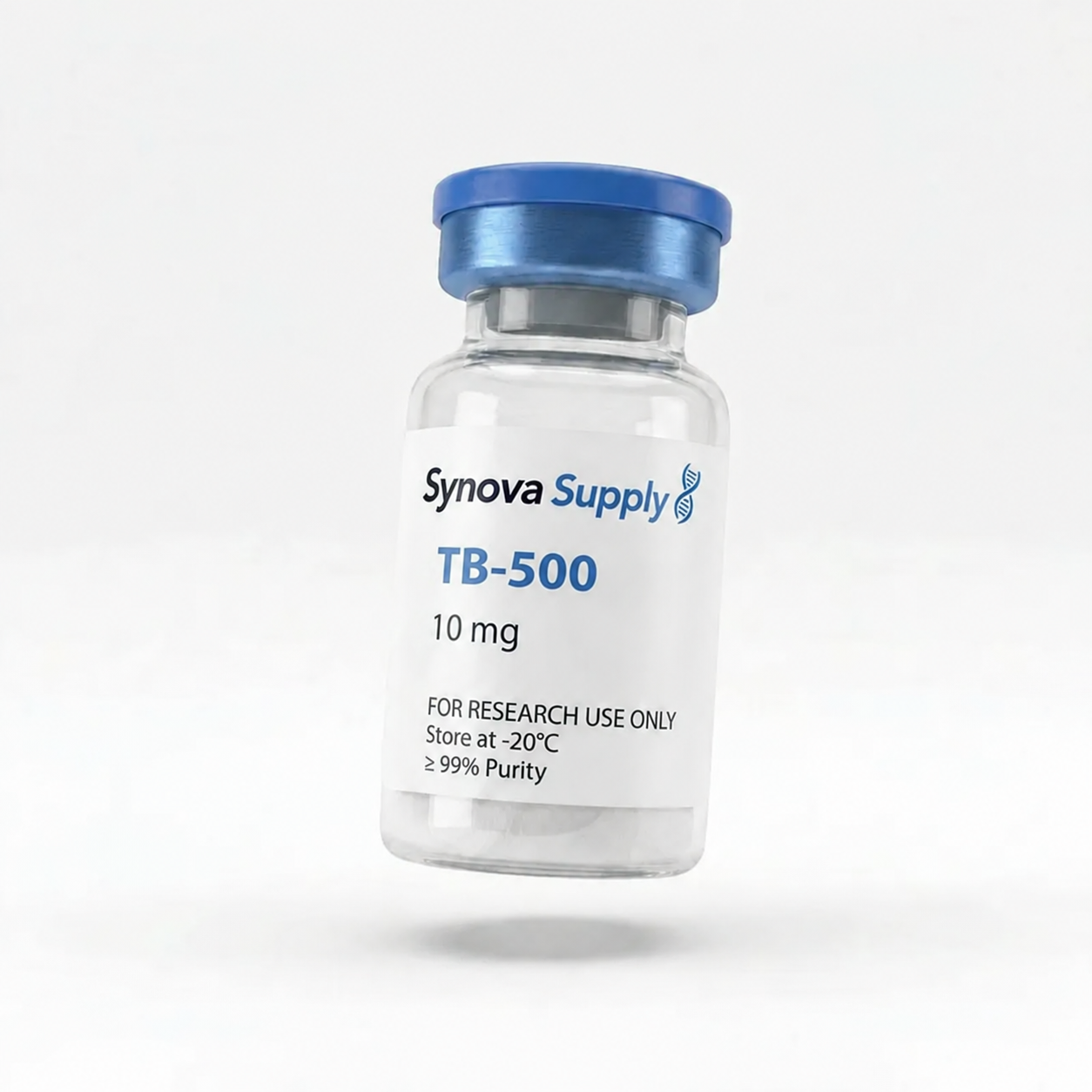
TB-500 is a synthetic peptide analogue derived from the actin-sequestering domain of Thymosin Beta-4, a naturally occurring 43-amino acid protein present in virtually all nucleated mammalian cells. The active fragment — corresponding to amino acids 17-23 of the native Thymosin Beta-4 sequence with the core sequence LKKTETQ — retains the primary biological activity associated with the full-length protein while offering improved research utility due to its smaller molecular size and water solubility. First characterized in research contexts in the 1990s, TB-500 has developed a substantial preclinical literature base spanning cell biology, wound healing, cardiovascular research, and inflammatory signaling.
Actin Dynamics and Cell Migration Research The primary mechanistic focus of TB-500 research centers on its interaction with G-actin (globular actin), the monomeric form of actin that polymerizes to form the cytoskeletal filaments central to cell motility and migration. Published in-vitro studies have examined TB-500’s role in sequestering G-actin, its effects on actin polymerization dynamics, and the downstream consequences for cell migration rates in wound healing assays. Research has demonstrated its influence on lamellipodia formation and directional cell movement in multiple cell type models including endothelial cells, keratinocytes, and fibroblasts.
Angiogenesis Research TB-500 has been extensively studied in the context of new blood vessel formation. Preclinical research has examined its effects on endothelial cell proliferation, tube formation in Matrigel assays, and VEGF receptor expression. Animal model studies have investigated its pro-angiogenic effects in wound healing models and ischemic tissue recovery contexts, with published research examining capillary density changes and endothelial cell migration in response to TB-500 treatment in experimental settings.
Wound Healing and Tissue Repair Research A substantial body of preclinical literature has examined TB-500 in wound healing models. Studies have investigated its effects on re-epithelialization rates, granulation tissue formation, and inflammatory cell recruitment in standardized wound healing assays. Research in animal models has examined healing rates in skin, corneal, and mucosal wound models, with particular attention to its effects on keratinocyte and fibroblast behavior during the proliferative phase of wound repair.
Cardiac and Skeletal Muscle Research TB-500 has attracted significant research interest in cardiac biology. Preclinical studies have examined its effects on cardiac progenitor cell activation following experimentally induced myocardial injury in rodent models, its influence on cardiomyocyte survival signaling, and its relationship to Akt and PI3K pathway activation in cardiac tissue. Parallel research in skeletal muscle biology has examined its effects on satellite cell activation, muscle fiber repair, and inflammatory resolution following experimentally induced muscle injury.
Inflammatory Signaling Research Published preclinical literature has examined TB-500’s modulatory effects on inflammatory pathways. Studies have investigated its influence on NF-κB signaling, its effects on pro-inflammatory cytokine expression profiles including TNF-α and IL-6, and its relationship to anti-inflammatory mediator production in macrophage and other immune cell culture models. Its role as a potential modulator of the transition between inflammatory and proliferative phases of tissue repair has been a consistent theme in published research.
Neurological Research Emerging preclinical literature has begun examining TB-500 in neurological research contexts. Published animal model studies have investigated its neuroprotective effects following experimentally induced brain injury, its influence on neural progenitor cell behavior, and its effects on axonal repair mechanisms. This represents a growing area of research interest that extends TB-500’s studied profile beyond its established tissue repair and cardiovascular biology applications.
Research Context TB-500 is frequently studied alongside BPC-157 in preclinical tissue repair research, with published literature examining the independent and combined effects of both peptides in various injury and repair models. Its well-characterized mechanism of action through actin dynamics, combined with its broad cell type applicability, makes it a versatile research tool in cell biology, wound healing, and cardiovascular research study designs.
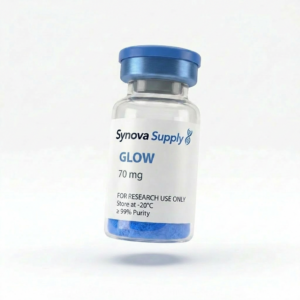
Supplied as: Lyophilized powder, sealed vial Purity: ≥98.8% (HPLC verified per batch) Testing: Independent third-party mass spectrometry and HPLC Origin: United States Storage: −20°C, protected from light and moisture Reconstitution: Bacteriostatic water (not included)
For research use only. Not for human or animal administration. Must be handled by a qualified researcher in a licensed laboratory setting. This product is not approved by the FDA and is not intended for diagnostic or therapeutic use.
Reviews
There are no reviews yet.